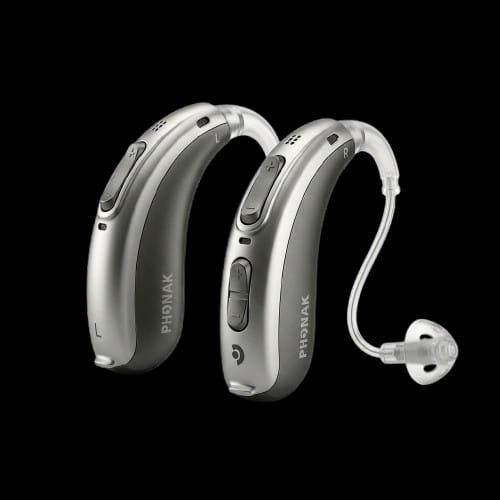
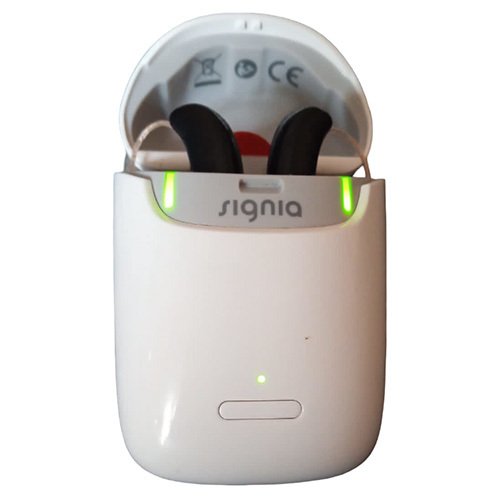
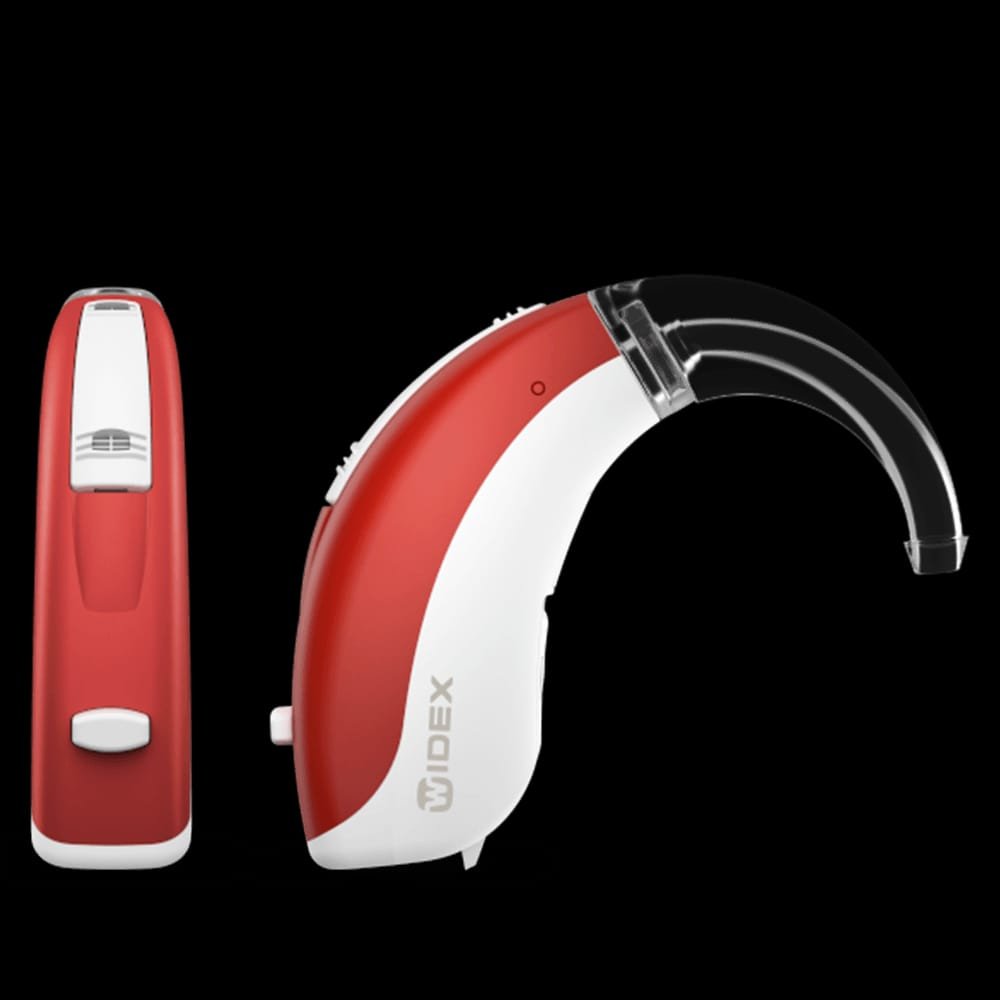
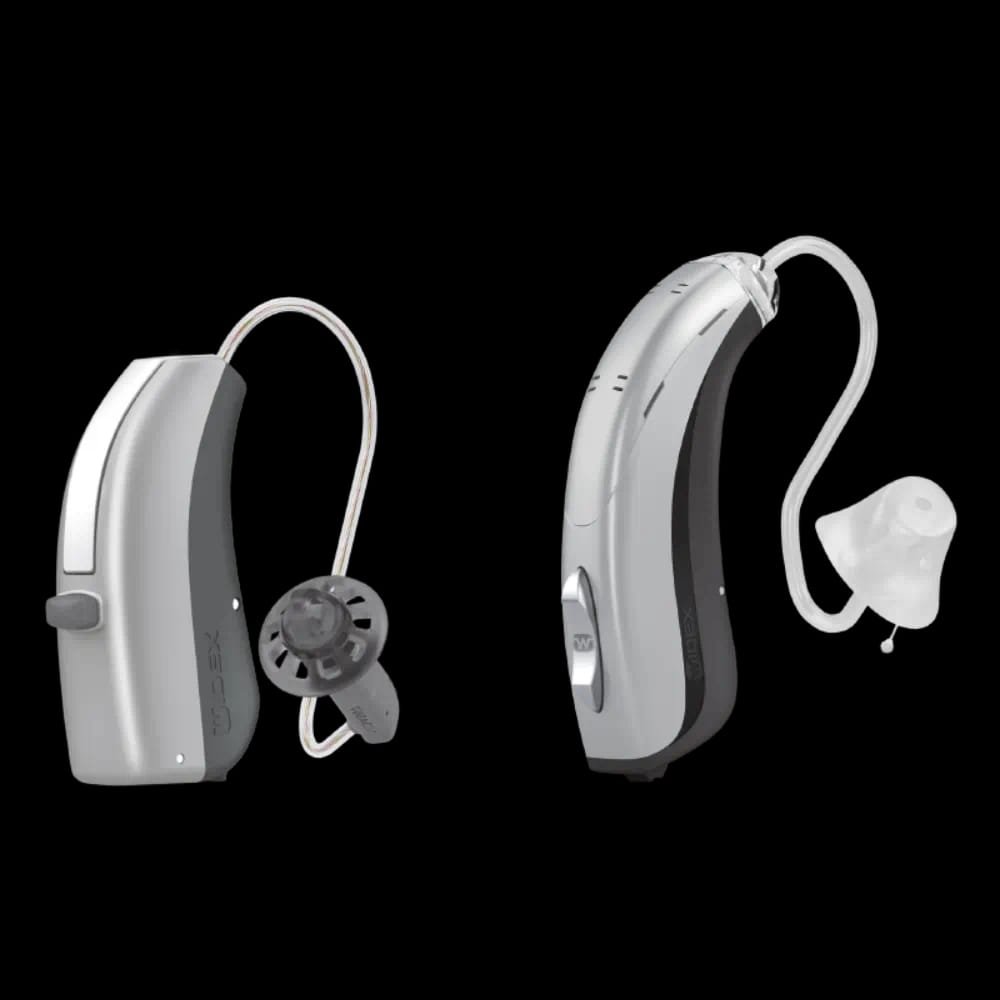
For example, one person may want a slim receiver-in-canal design because they value a lighter behind-the-ear body and a discreet appearance. Another person may need to discuss a more powerful behind-the-ear option because amplification requirements are different. Someone with limited dexterity may prioritise easy controls and charging, while another person may prefer to explore a smaller custom or in-ear style. Brand families often contain several form factors, which is why the exact model should follow assessment rather than assumptions.
Rechargeability is another useful comparison point. A rechargeable system can simplify a daily routine for many users, while other people may prefer a replaceable-battery option depending on their habits and travel requirements. Connectivity can also matter when phone conversations, media or device controls are part of everyday life. During consultation, these features should be connected to a practical communication goal rather than treated as a checklist.
Programming and follow-up are equally important. A hearing aid is not simply selected and forgotten: fitting, adjustment, fine-tuning and aftercare help align the device with real listening experiences. If something sounds uncomfortable, difficult to manage or ineffective in a particular environment, professional follow-up provides an opportunity to review settings and usage. At Sarthak Hearing Care, the overall process may include assessment, counselling, hearing-aid selection, trial, fitting, programming, follow-up, fine-tuning and aftercare.
The available portfolio includes Phonak, Signia, Oticon, Widex, ReSound, Starkey, Unitron, Bernafon and Rexton, subject to model availability. The goal is not to declare one brand universally best. The goal is to help children, adults and senior citizens understand suitable options and move towards a more comfortable, informed hearing-care decision.