
MACHINE COMPARISON
Compare the details that affect daily use.
Style, power, connectivity, app ecosystem and charging are easier to compare side by side. Final suitability still depends on professional assessment.
| Specification | 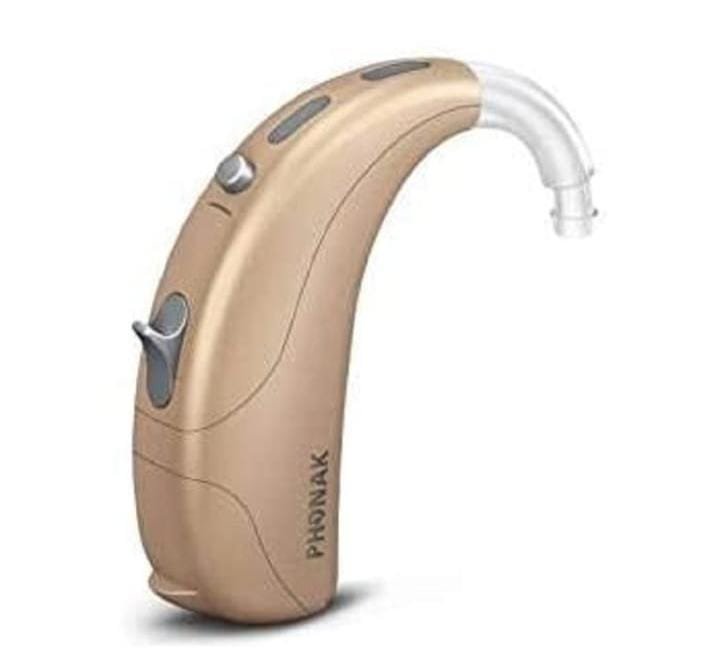 Phonak BTE Hearing Aid | 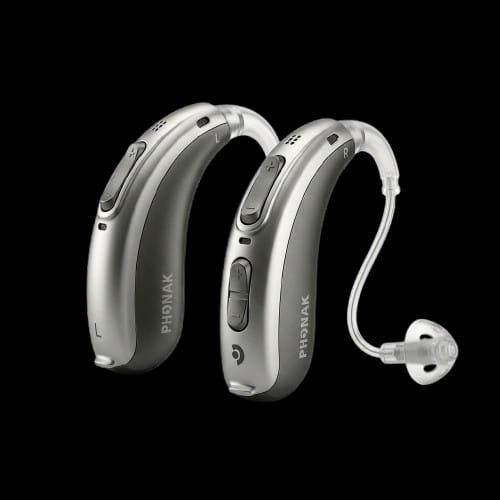 Phonak RIC Hearing Aid |
|---|---|---|
| Brand | Phonak | Phonak |
| Style | Behind-the-Ear (BTE) | Receiver-in-Canal (RIC) |
| Power | Model-dependent | Model-dependent |
| Connectivity | Configuration dependent | Configuration dependent |
| App | Phonak ecosystem | Phonak ecosystem |
| Charging | Model-dependent | Model-dependent |
| Technology | Professional fitting and programming based on hearing assessment | Slim RIC form factor with professional selection and fitting |
| Best for | People exploring a conventional behind-the-ear hearing aid format. | People who prefer a slim behind-the-ear style with a receiver wire. |
How to compare hearing aids intelligently
Start with the form factor, then look at power and daily handling. A feature-rich machine can still be a poor choice if it is uncomfortable or difficult to manage. Connectivity matters when it solves a real communication problem, while charging matters when it fits the user’s routine. Use this table to prepare questions, not to self-prescribe a device.
For a final decision, connect the shortlist with hearing results, ear anatomy, communication goals and fitting advice. That is why every comparison page includes a consultation route rather than an online checkout button.